
Understanding the Bayley-4 UK Developmental Assessment: A Guide for Parents
Early childhood is a period of rapid growth and development. Many parents naturally have questions about whether their child is progressing as expected, particularly in the first few years of life when milestones such as language, movement and social interaction are emerging. Developmental assessments can provide valuable insight and reassurance during this time.
One of the most widely used tools for assessing early childhood development is the Bayley-4 UK. This comprehensive assessment helps clinicians understand how a young child is developing across several key areas, allowing families to gain a clearer picture of their child’s strengths and any areas that may benefit from additional support.
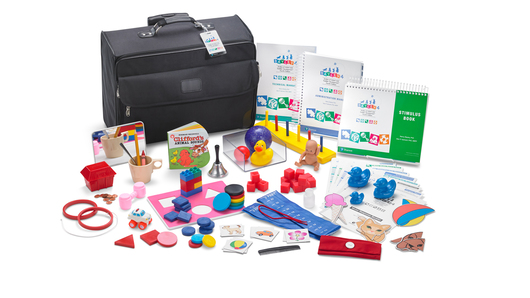
What is the Bayley-4 UK developmental assessment?
The Bayley-4 UK is a structured, evidence-based developmental assessment used by paediatric specialists and developmental practitioners to evaluate the progress of young children. It is considered one of the most comprehensive tools available for assessing developmental difficulties in early childhood.
The assessment examines development across five key domains:
- Cognition (thinking, learning and problem-solving)
- Language and communication
- Social and emotional development
- Motor skills (movement, coordination and fine motor control)
- Adaptive behaviour (everyday life skills)
One of the advantages of the Bayley assessment is its flexibility. Clinicians can administer the full assessment or focus on one or more specific domains depending on the concerns raised by parents or professionals. Importantly, it can also provide detailed information about children who are not yet verbal, allowing clinicians to understand their developmental functioning through observation and structured activities.
Which children can be assessed?
The Bayley-4 UK can be used to assess children from 16 days old up to 42 months of age (just over three and a half years). This makes it particularly useful for identifying developmental patterns during infancy and the toddler years, when early intervention can be most beneficial.
Assessments are commonly used for:
- Infants or toddlers where parents have concerns about development
- Children who may have delays in language, movement or learning
- Children born prematurely who may benefit from closer developmental monitoring
- Children who may be showing early signs of neurodevelopmental differences, including possible autism
- Children whose progress parents would simply like to understand in greater detail
For many families, the assessment offers reassurance. For others, it helps identify areas where additional support or further evaluation may be helpful.
How long does the assessment take?
The length of the assessment varies depending on the child’s age and which developmental areas are being explored. In most cases, sessions take between 30 and 90 minutes.
The activities are designed to feel engaging and play-based for the child. Many parents report that their child enjoys the tasks, which may involve looking at pictures, playing with toys, solving simple problems or interacting with the clinician.
Why might a Bayley assessment be helpful for families?
There are several reasons why families choose to arrange a developmental assessment for their child.
- Early identification of developmental differences
A Bayley assessment can help identify developmental delays at an early stage. Early identification allows families and professionals to introduce supportive strategies sooner, when they can have the greatest impact on a child’s development. - Clear insight into your child’s development
The assessment provides structured information about how a child is progressing across areas such as communication, movement, thinking and problem-solving. This helps parents understand their child’s strengths as well as any areas where additional support may be helpful. - Reassurance for parents
Many families seek an assessment because they have questions or mild concerns about their child’s development. In many cases, the results confirm that a child is developing well, providing reassurance and peace of mind. - Practical guidance and next steps
Following the assessment, families receive personalised recommendations. These may include simple activities that support development at home or guidance on whether further assessment or therapy may be beneficial. - Monitoring progress over time
Some children benefit from repeat assessments at key developmental stages — for example at 3, 6, 12 or 24 months — allowing clinicians and families to track progress and ensure development continues to move forward in a positive direction.
What do parents say about the Bayley assessment?
Parents often report that the Bayley-4 assessment provides valuable clarity. The structured approach offers evidence-based insight into areas such as cognition, language, motor development and social interaction, helping families better understand their child’s developmental profile.
Many also appreciate the personalised feedback and recommendations they receive following the assessment. This can help parents feel better equipped to support their child’s development through everyday activities at home.
In addition, the assessment is widely recognised and used by developmental specialists and early intervention services internationally. This provides reassurance to families that the results are reliable and meaningful.
Supporting your child’s early development
Every child develops at their own pace. However, if parents have concerns about their child’s development, early assessment can provide helpful insight and guidance.
The Bayley-4 UK developmental assessment offers a structured and child-friendly way to explore early development in detail. Whether families are seeking reassurance or a clearer understanding of their child’s developmental strengths and needs, the assessment can provide valuable information to support children during these important early years.
If you would like to learn more about the Bayley assessment or discuss whether it may be appropriate for your child, contact the team for more information.
Disclaimer: The information provided in this article is for educational purposes only and should not replace medical advice. Always consult with a healthcare professional for personalised guidance and treatment recommendations.








Related articles



Book your appointment
Clinic, remote appointments and home visits are available daily.
We can always find a time to suit you, so please do ask if you are having difficulty finding a suitable time.
