
Is My Child Too Ill for School? A Parent's Guide
The start of a new school year often brings new routines, new teachers and, unfortunately, illnesses.
One of the questions parents commonly face is whether their child is well enough to go into school or whether they should stay at home and recover.
For some illnesses, the answer is clear. For others, it can be more difficult to know.
This guide explains when your child should stay at home, when they can usually return to school, and when an illness may need medical advice.
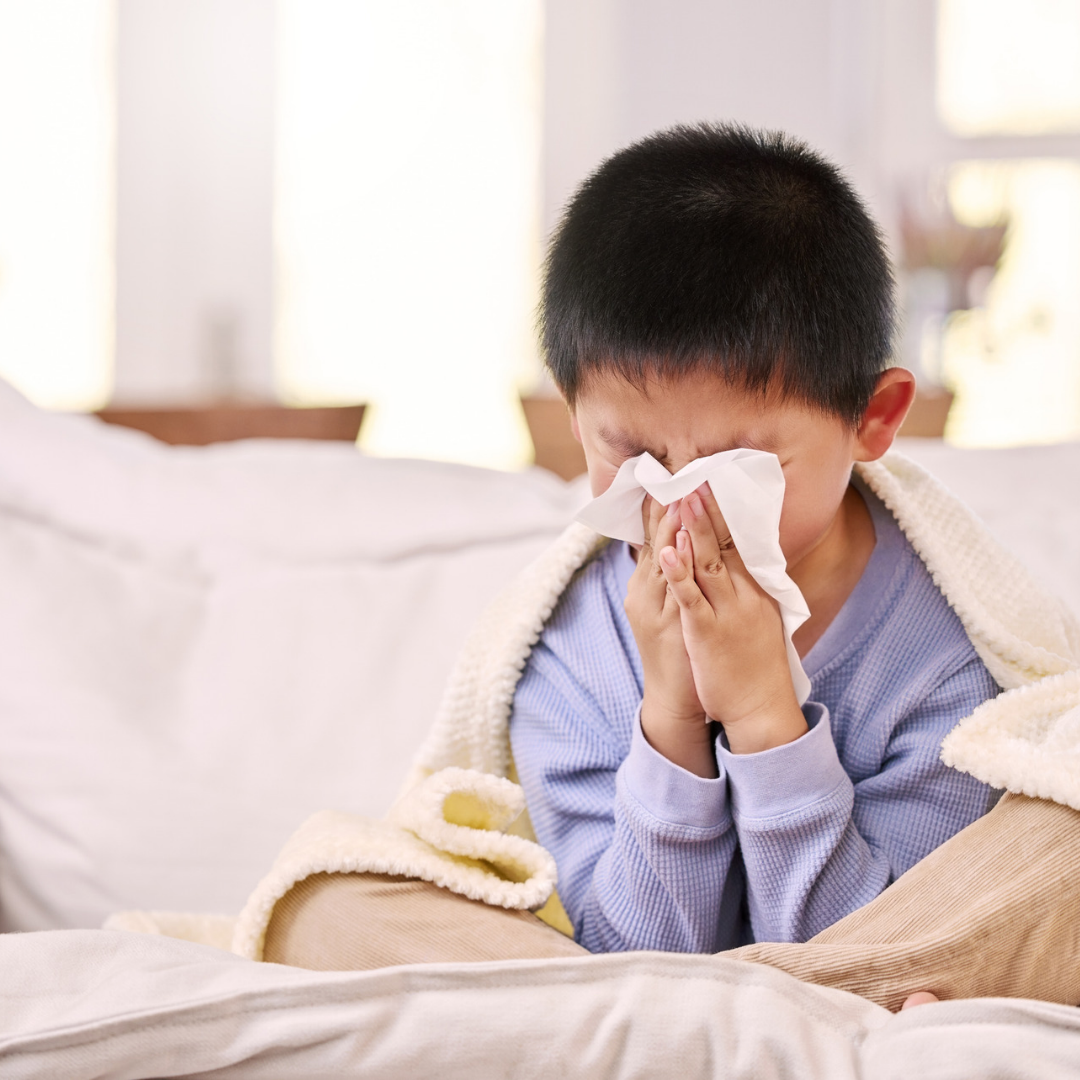
When should my child stay off school?
As a general rule, if your child has a high temperature and is feeling unwell, they should stay at home until their temperature has returned to normal and they feel well enough to take part in their usual activities.
Children with vomiting or diarrhoea should also stay away from school until they have been free from these symptoms for at least 48 hours. This helps reduce the spread of infections to other children and families.
It is also worth considering how your child is actually feeling.
A child with a mild cold who is otherwise well, eating and drinking normally and able to take part in the school day may not need to stay at home.
A child who is unusually tired, struggling to eat or drink, or clearly not well enough to manage their normal activities is better off resting at home.
What about a cold or cough?
Coughs and colds are very common in school-aged children, particularly when children return to school and are mixing closely with others again.
If your child has a mild cough, runny nose or sore throat but is otherwise well and does not have a high temperature, they can usually attend school.
Encourage them to wash their hands regularly and avoid sharing cups, bottles and other personal items with other children.
If your child has a cough or cold but is becoming increasingly unwell, struggling to breathe, not drinking normally or unusually sleepy, seek medical advice.
What if my child has a fever?
If your child has a high temperature and feels unwell, they should stay at home.
A fever is usually a sign that the body is fighting an infection. The temperature itself is not necessarily a sign of a serious illness, so it is important to consider how your child looks and behaves as well.
If your child is very sleepy or difficult to wake, struggling to breathe, has a seizure, develops a rash that does not fade when pressed, or is becoming significantly more unwell, seek urgent medical advice.
What if my child has been sick or has diarrhoea?
Children with vomiting or diarrhoea should stay away from school until they have been free from these symptoms for at least 48 hours.
Tummy bugs can spread very easily between children, particularly in schools and nurseries.
While your child is recovering, encourage them to drink regularly to reduce the risk of dehydration. If they are unable to keep fluids down, are passing urine much less often than usual or seem unusually sleepy, seek medical advice.
What about chickenpox, scarlet fever and other infections?
Some childhood infections have specific guidance around returning to school.
For example, children with chickenpox should stay away from school until five days after the rash first appears. This reflects the current UKHSA guidance. Children with scarlet fever can usually return 24 hours after starting appropriate antibiotics. Children with measles should stay off school for at least four days from when the rash first appeared.
If your child has been diagnosed with an infectious illness, check the specific guidance for that condition and let the school know.
When should I seek medical advice?
Most childhood illnesses get better with rest, fluids and time. However, there are situations where you should seek medical advice.
Contact your GP or NHS 111 if your child:
- Is becoming increasingly unwell
- Is not drinking normally
- Is passing urine much less often than usual
- Has a fever that is persistent or concerning
- Has symptoms that are not improving
- Has difficulty breathing
- Has a rash that you are concerned about
If your child is struggling to breathe, is difficult to wake, has a seizure or appears seriously unwell, seek urgent medical help.
Helping your child return to school
After an illness, your child may still be more tired than usual for a few days.
A gentle return to their normal routine can help. Encourage regular meals, plenty of fluids and a consistent bedtime.
If they have missed several days of school, it can also help to talk to their teacher about how they are feeling and whether they need a little extra support while they settle back into their routine.
Support from Childhealthy
It is not always easy to know whether an illness needs medical attention, particularly when your child is unwell outside normal GP hours.
At Childhealthy, our paediatric team provides assessment and advice for children with a wide range of illnesses and health concerns.
If you would like further reassurance, our team is here to help. Contact us to arrange an appointment.
Additional resources
Disclaimer: The information provided in this article is for educational purposes only and should not replace medical advice. Always consult with a healthcare professional for personalised guidance and treatment recommendations.
Frequently Asked Questions
If your child has a mild cold but is otherwise well and does not have a high temperature, they can usually attend school. If they feel unwell or are not able to take part in normal activities, they should stay at home.








Related articles


Book your appointment
Clinic, remote appointments and home visits are available daily.
We can always find a time to suit you, so please do ask if you are having difficulty finding a suitable time.
