
Food Allergies in Babies: Early Signs Every Parent Should Know
Starting your baby on solid foods is an exciting milestone, but it’s also a time when many parents begin to worry about food allergies. Questions about which foods are safe, what reactions look like, and when to seek help are very common in clinics and health-visitor appointments.
While food allergies do affect some infants, most babies tolerate new foods well. Knowing what to look for and how to respond can help you introduce foods with confidence. In this blog post, we explore how common food allergies are in babies and the practical steps you can take when introducing new foods.
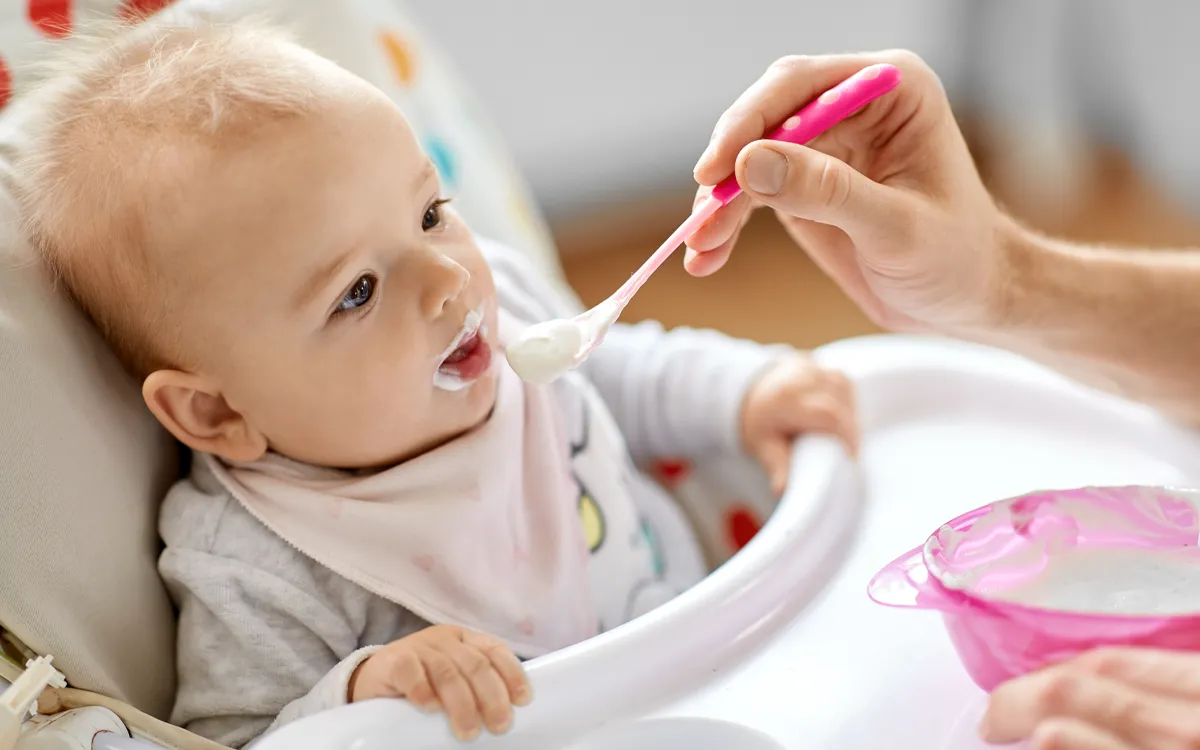
How common are food allergies in babies?
Food allergies are estimated to affect around 5–8% of babies and children. While this means they are not uncommon, it also means the majority of babies will not develop a food allergy.
Researchers do not fully understand why some babies develop allergies and others do not. However, there are a few recognised risk factors:
- Eczema, particularly moderate to severe eczema, is associated with a higher likelihood of food allergies.
- Family history, such as parents or siblings with allergies, asthma, or eczema, can increase risk.
- Existing food reactions, even mild ones, should always be discussed with a healthcare professional.
Having these risk factors does not mean a baby will definitely develop an allergy, but it does mean parents should be a little more vigilant when introducing new foods. Babies at higher risk of food allergy are also those most likely to benefit from the early introduction of allergens, which has been shown to protect against the development of allergies.
What causes food allergies?
A food allergy occurs when the immune system mistakenly identifies a food protein as harmful and reacts against it. Symptoms may appear rapidly, within minutes of eating the food, or may be delayed, occurring within 2-72 hours of eating.
There are more than 160 foods known to cause allergic reactions, but a small number are responsible for most cases.
Common triggers include:
- Cow’s milk
- Eggs
- Peanuts and tree nuts
- Fish and shellfish
- Soya
- Wheat and other gluten-containing grains
- Seeds
Current evidence suggests that, for most babies, introducing these foods from around six months as part of normal weaning may actually help reduce the risk of developing allergies, rather than delaying them unnecessarily.
Early signs of a food allergy
Recognising symptoms early is important. Babies cannot describe what they are feeling, so parents often need to look for physical and behavioural changes.
Possible signs of a food allergy include:
- A rash, hives, or red, itchy skin
- Swelling of the lips, face, or around the eyes
- Vomiting or diarrhoea
- Coughing, wheezing, or difficulty breathing
- A runny or blocked nose
- Sudden irritability, crying, or apparent stomach discomfort
- Blood in the nappy, which can sometimes indicate a milk allergy
Symptoms usually develop quite quickly after eating the food, which can help identify the likely cause.
When to seek urgent medical help
While many allergic reactions are mild, some can be severe. Anaphylaxis is a rare but serious allergic reaction that requires immediate medical attention.
Seek urgent medical help if your baby shows:
- Difficulty breathing or noisy breathing
- Swelling of the tongue or throat
- Pale, floppy, or unresponsive behaviour
- Widespread rash combined with other symptoms
If you suspect a severe allergic reaction, call emergency services immediately.
Practical tips when introducing new foods
Introducing foods gradually can help you monitor reactions and feel more confident.
Ailsa, our Paediatric Dietitian, often recommends:
- Introducing one new food allergen at a time
- Offering tiny amounts initially, early in the day
- Observing your baby for any symptoms over the next few hours
- Keeping a simple record of new foods introduced
If a reaction occurs, stop giving the food and speak to your GP or Dietitian before trying again.
Reassurance for parents
It is natural to feel anxious about allergies, especially when you are introducing foods for the first time. However, most babies progress through weaning without any significant problems.
Building a varied diet, introducing foods gradually, and knowing the signs to watch for are usually enough to manage the process safely at home.
If you are ever unsure, it is always appropriate to seek advice. Health professionals would much rather answer a question early than see a problem worsen later. You can also contact the Childhealthy team for expert paediatric advice and assessment. We are here to support you and your child when you need it most.
Additionally, information on the NHS website is readily available for parents who wish to read more about food allergies in babies and young children.
Disclaimer: The information provided in this article is for educational purposes only and should not replace medical advice. Always consult with a healthcare professional for personalised guidance and treatment recommendations.








Related articles



Book your appointment
Clinic, remote appointments and home visits are available daily.
We can always find a time to suit you, so please do ask if you are having difficulty finding a suitable time.
