
Dehydration in Children and Babies. Signs, Causes and When to Seek Help
As the summer holidays continue, keeping children well hydrated becomes especially important. Hot weather, increased activity, and common childhood illnesses can all increase the risk of dehydration. This guide explains what dehydration is, what to look out for, and when to seek medical advice.
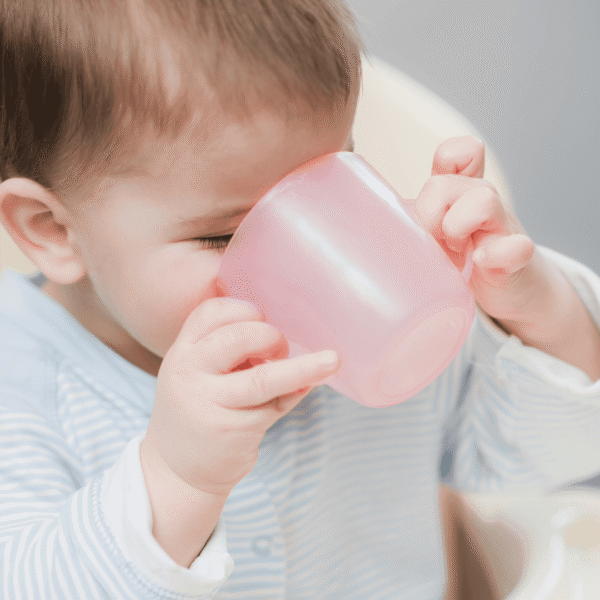
What is dehydration?
Dehydration happens when the body loses more fluids than it takes in. Water makes up more than half of the human body and is essential for normal function. Children lose fluids every day through sweating, breathing and urination, and these losses need to be replaced regularly.
Children and babies can become unwell quickly if they do not take in enough fluids. In most cases, dehydration develops alongside illness or reduced fluid intake.
Young children may not recognise or tell you they are thirsty. Thirst can also be a late sign of dehydration, so it is important to offer drinks regularly rather than waiting for your child to ask.
What causes dehydration in babies and children?
Dehydration is usually linked to an underlying illness or situation that increases fluid loss or reduces fluid intake. Common causes include:
- Vomiting or diarrhoea
- Fever
- Viral infections such as flu
- Gastroenteritis (tummy bugs)
- Overheating in hot weather
- Excessive sweating during illness or activity
If your child is unwell and not drinking as usual, the risk of dehydration increases.
Signs of dehydration in babies
Babies can become dehydrated more quickly than older children. It is important to act early if you notice any of the following:
- Fewer wet nappies than usual or dark yellow urine (if noticeable)
- Drowsiness or low energy
- Dry mouth
- Few or no tears when crying
- Sunken soft spot on the head (fontanelle)
- Fast breathing
- Cold hands and feet or mottled skin
If you are concerned that your baby may be dehydrated, seek medical advice promptly.
Signs of dehydration in children
In older children, the signs can look slightly different:
- Dry mouth, lips or tongue
- Sunken eyes
- No tears when crying
- Passing urine much less often than usual or not passing urine for many hours
- Cold or blotchy hands and feet
- Fast breathing
- Tiredness or low energy
If your child is also vomiting or has diarrhoea, dehydration can develop more quickly.
How much should children drink?
There is no one-size-fits-all amount, as fluid requirements vary depending on your child's age, feeding method, activity levels and whether they are unwell.
For babies, continue breastfeeding or formula feeding as normal and offer additional feeds if they seem willing, particularly during hot weather or illness.
Older babies and children should be encouraged to drink regularly throughout the day. Water and milk are the best choices, while foods such as soups, yoghurt and fruit can also contribute to fluid intake.
Offer drinks regularly rather than waiting until your child says they are thirsty.
For babies, continue breastfeeding or formula feeding and offer feeds more frequently if they are willing. Exclusively breastfed babies under six months do not need additional water. Formula-fed babies under six months may need small sips of cooled boiled water during hot weather, alongside—not instead of—their usual milk feeds
How to help prevent dehydration
Simple daily habits can make a big difference:
- Offer regular drinks throughout the day.
- Encourage drinking before and during outdoor play.
- Keep drinks easily accessible.
- Choose water as the main drink.
- Continue normal milk feeds for babies.
- Increase fluids during hot weather or illness.
- Avoid excessive fizzy drinks or high-sugar options.
During hot weather, children should also be encouraged to rest in the shade and avoid strenuous activity during the hottest part of the day.
How dehydration is treated
The most important treatment is replacing lost fluids. For mild dehydration, this can usually be managed at home by offering small, frequent sips of fluid.
Continue breastfeeding or formula feeding where possible, as milk feeds remain an important source of fluid for babies.
If your child has vomiting or diarrhoea, oral rehydration solutions (such as Dioralyte) may be recommended to replace both fluids and salts lost during illness. Smaller, more frequent amounts are often better tolerated if your child is being sick.
Always seek medical advice if you are unsure or if symptoms are not improving.
When to seek medical advice
You should contact a doctor or seek urgent care if your child:
- Becomes unusually sleepy or difficult to wake.
- Has very few wet nappies or is passing urine much less often than usual.
- Is unable to keep fluids down.
- Shows signs of dehydration that are getting worse.
- Is becoming more unwell despite home care.
If your baby is under 3 months old and has a fever, seek urgent medical assessment, even if they are feeding, as young babies require prompt review.
Babies, in particular, can deteriorate quickly, so early assessment is always best if you are concerned.
Call 999 or go to A&E if your child has pale, blue, grey or mottled skin, feels unusually cold, has difficulty breathing, appears confused, or is much sleepier than usual or difficult to wake. These may be signs of severe dehydration or shock.
Support from Childhealthy
If you are worried about dehydration, feeding, or your child’s general wellbeing, our paediatric team is here to help. At Childhealthy, we provide newborn examinations, 6 to 8 week checks and ongoing paediatric care for families throughout the early months and years of childhood.
If you would like to book an appointment or speak to a member of our team, please get in touch.
Additional resources
If you would like further reassurance, our team is here to help. Contact us to arrange an appointment.
Disclaimer: The information provided in this article is for educational purposes only and should not replace medical advice. Always consult with a healthcare professional for personalised guidance and treatment recommendations.
Frequently Asked Questions
Early signs include dry mouth, fewer wet nappies or trips to the toilet, tiredness, and darker urine than usual. In babies, reduced tears and drowsiness can also be early indicators.








Related articles



Book your appointment
Clinic, remote appointments and home visits are available daily.
We can always find a time to suit you, so please do ask if you are having difficulty finding a suitable time.
