
Are Fevers Above 39°C Dangerous in Children?
A few things worry parents more than seeing a high temperature appear on the thermometer. It is very common for families to feel alarmed when a child’s fever rises above 39°C, particularly overnight or when children appear flushed and uncomfortable.
One of the most persistent myths we hear is that a high fever itself is dangerous and will cause harm. In reality, the number on the thermometer is only one small part of the picture.
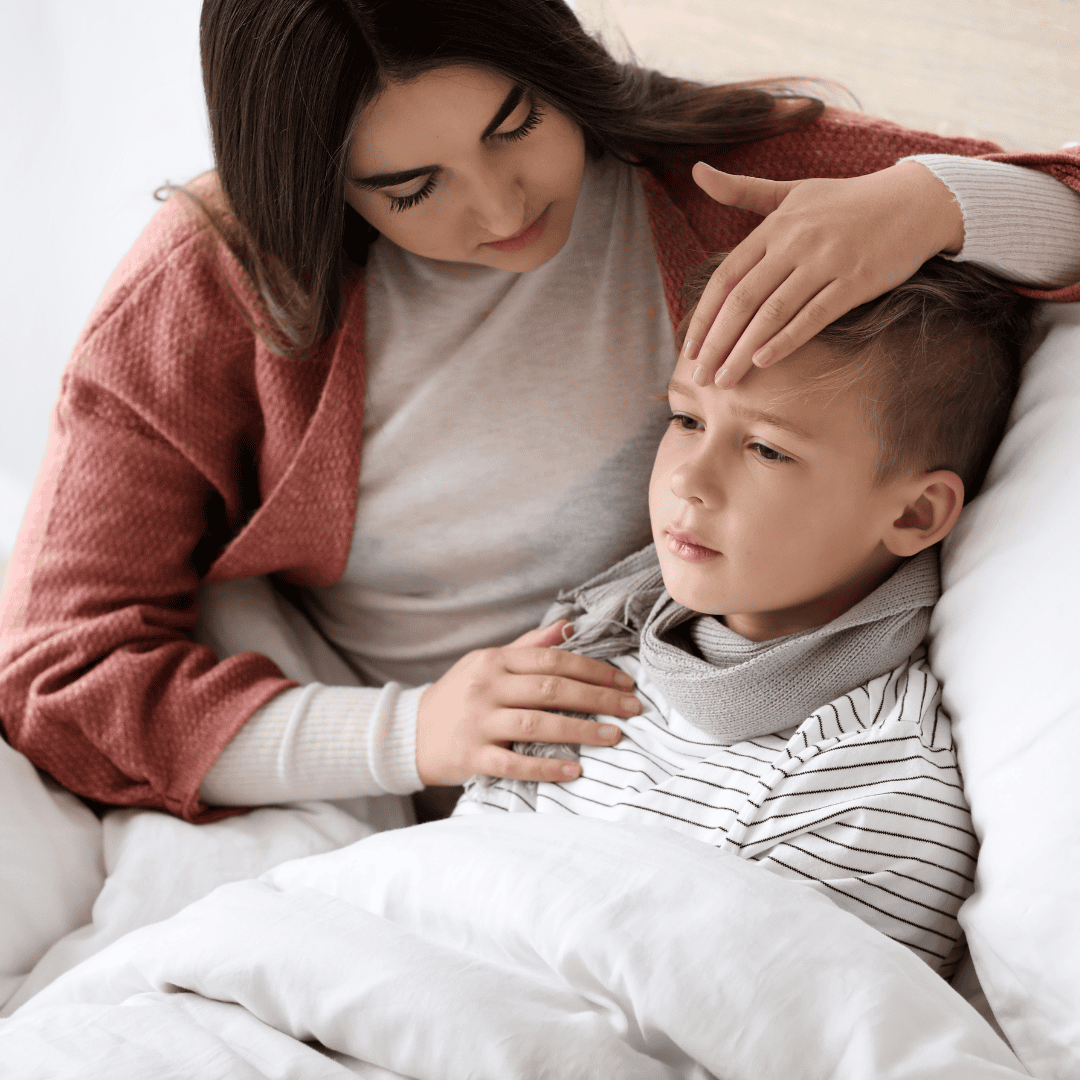
Fever is a normal immune response
Fever is the body’s natural response to infection. When viruses or bacteria enter the body, the immune system raises the body temperature as part of its defence process. A fever is therefore a sign that the immune system is working, rather than an illness in itself.
For most children, a temperature of 39°C, 40°C or even slightly higher is not inherently dangerous. The body carefully regulates fever, and it is extremely unusual for a typical infection-related fever to rise to harmful levels on its own.
This is why paediatricians often focus less on the exact temperature and more on how a child looks and behaves overall.
What matters more than the number?
While high temperatures can understandably cause concern, a child’s overall condition is usually a much better indicator of how unwell they are.
Questions we encourage parents to ask include:
✔️ Are they alert and responsive?
A child with a high fever who is still smiling, playing, drinking fluids and interacting is generally less concerning than a child with a lower fever who is unusually quiet, floppy or difficult to wake.
✔️ Are they drinking enough?
Fever can increase fluid loss, particularly in younger children. Small, frequent sips of water, milk or oral rehydration fluids can help prevent dehydration.
✔️ Are they breathing comfortably?
Fast breathing, struggling to breathe or sucking in around the ribs should always be taken seriously.
✔️ How do they look overall?
Pale, mottled or blue-tinged skin, persistent lethargy or a child who seems significantly different from normal are more important warning signs than the temperature reading itself.
What matters more than the number?
Many parents feel pressure to bring the temperature down immediately, but treating the fever itself is not always necessary.
The main aim is to help your child feel comfortable.
If your child is miserable, uncomfortable or struggling to rest, medicines such as paracetamol or ibuprofen can help. However, if they are reasonably comfortable and drinking fluids, it is not essential to treat every fever.
It is also important to remember that bringing the temperature down does not treat the underlying infection. Fever is part of the body’s immune response and can play a helpful role in fighting illness.
Managing a fever at home
Most childhood fevers caused by common viral infections can be safely managed at home with supportive care.
Helpful measures include:
✔️ Offering plenty of fluids regularly
✔️ Giving paracetamol or ibuprofen according to age and weight guidance
✔️ Dressing your child in light, comfortable clothing
✔️ Keeping the room at a comfortable temperature
✔️ Encouraging rest without forcing bed rest
It is best to avoid cold baths, cold flannels or excessive cooling, as these can make children shiver and increase the core temperature of the body and feel more uncomfortable.
What about febrile seizures?
One reason high fevers can feel particularly frightening is concern about febrile seizures.
Febrile seizures are relatively common in young children and can happen when a child’s temperature rises quickly. Although they are extremely distressing to witness, most febrile seizures are short-lived and do not cause long-term harm.
Importantly, febrile seizures are linked more closely to how rapidly the temperature changes than to how high the fever becomes. It is possible to get a febrile convulsion with a relatively low grade fever.
What about febrile seizures?
While fever alone is rarely dangerous, there are times when a child should be medically assessed.
You should seek medical advice if:
- Your child is under 3 months old with a temperature of 38°C or above
- The fever lasts more than 5 days
- They are unusually drowsy, floppy or difficult to wake
- They are refusing fluids or showing signs of dehydration
- They develop a rash that does not fade when pressed
- They have difficulty breathing or severe pain
- You are worried for any reason or feel your child is significantly unwell
Reassurance for parents
Fever can be exhausting and worrying for families, particularly during the night when symptoms often seem worse. It is completely understandable to feel anxious when your child feels hot and unwell.
In most cases, though, fever itself is not harmful. Looking at your child as a whole, so their behaviour, breathing, hydration and responsiveness, gives far more useful information than just the thermometer.
If you are ever unsure or concerned about your child’s fever, seeking medical advice is always appropriate. Reassurance and assessment can help parents feel confident about managing illness safely at home and recognising when further care is needed.
Additional Resources
General Paediatric Appointments
If you would like further reassurance, our team is here to help. Contact us to arrange an appointment.
For more information, the NHS also offers guidance on fever in children.
Disclaimer: The information provided in this article is for educational purposes only and should not replace medical advice. Always consult with a healthcare professional for personalised guidance and treatment recommendations.
Frequently Asked Questions
A high temperature can look worrying, but fever itself is usually a sign the body is fighting infection. The child’s overall condition matters more than the number.








Related articles



Book your appointment
Clinic, remote appointments and home visits are available daily.
We can always find a time to suit you, so please do ask if you are having difficulty finding a suitable time.
