
Toilet Training Advice for Children with Additional Needs
Using the 3-Step ‘Let’s Go Potty’ Approach – ERIC, The Children’s Bowel & Bladder Charity
Toilet training is an important milestone in a child’s development. For children with additional needs, the process may take longer and may require a more structured and supportive approach. It is helpful for parents to think of toilet training not as a single event, but as a gradual process that develops over time.
The “Let’s Go Potty” approach, developed by ERIC, The Children’s Bowel & Bladder Charity, provides a clear framework that breaks toilet training into small, manageable steps. It focuses on building the skills children need before nappies are removed, using visual supports, consistent communication and predictable routines.This approach has been developed to suit all children and abilities. This includes children with autism, ADHD, developmental delay, cerebral palsy and Down Syndrome.
With patience and preparation, almost all children with additional needs can learn to be clean and dry, and successfully learn toileting skills in a way that feels calm and achievable for both the child and their family.
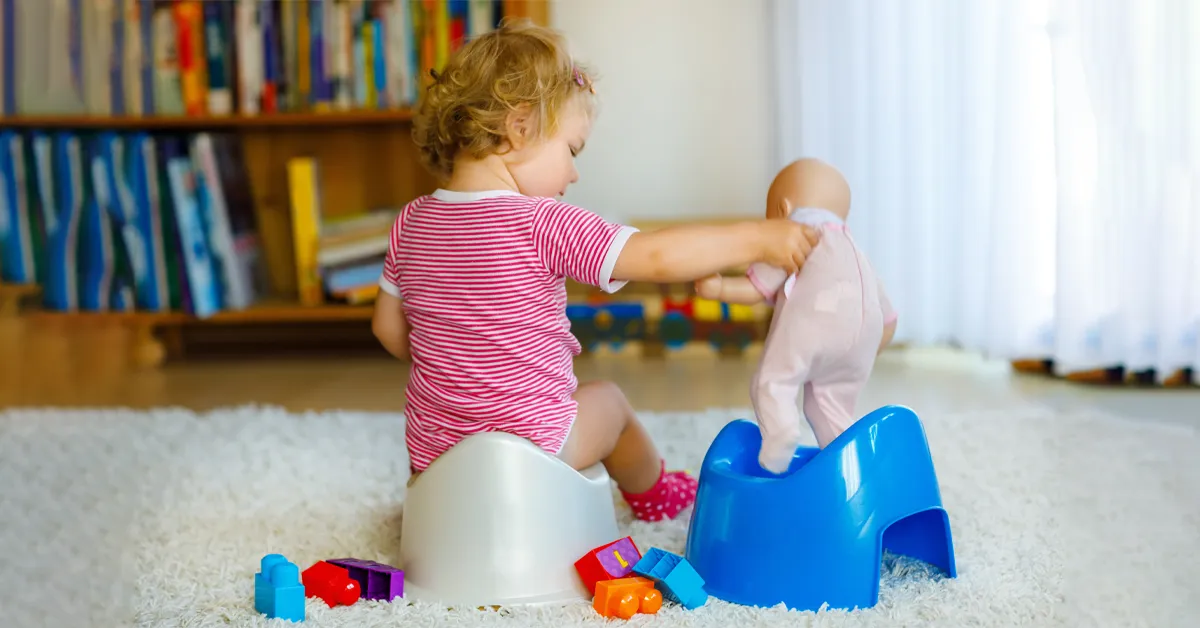
Understanding Toilet Training Readiness
One important principle of the “Let’s Go Potty” approach is that parents do not need to wait for the typical signs of readiness before beginning. Many of the skills required for toileting can be developed while a child is still wearing nappies.
In fact, research and clinical experience suggest that some children only begin to recognise the physical sensations of a full bladder or bowel after they have already developed a regular toileting routine. Waiting too long to introduce toilet learning can sometimes make the transition more difficult.
The focus should therefore be on gradually building awareness, comfort and familiarity with the toilet environment.
The Three Stages of the ‘Let’s Go Potty’ Approach
The approach can be divided into three stages:
- Preparation
- Practice
- Stopping the use of nappies
Each stage builds on the previous one and can progress at a pace that suits the individual child. Let’s take a closer look at each stage.
Step 1: Preparation
Preparation is an important foundation. The aim is to help the child become familiar with the bathroom environment and begin to understand the concept of toileting.
Healthy bladder and bowel habits
Encouraging good bladder and bowel health is an important first step. Children should drink sufficient fluids throughout the day and eat a balanced diet that includes fibre. Constipation is common in children with additional needs and can make toilet training much more difficult. If parents have concerns about bowel habits, they should seek advice from their GP or paediatrician.
Learning about the toilet
Children benefit from gentle, repeated exposure to the idea of toileting. Parents can talk about wees and poos in everyday language, read simple toilet-themed books and introduce words such as “wet” and “dry”. It can also be helpful to begin changing nappies in the bathroom where possible, ideally with the child standing. Showing children how the toilet is used helps normalise the process.
Creating a comfortable toilet space
Some children are sensitive to sensory experiences such as noise, lighting or unfamiliar environments. Creating a calm and predictable bathroom environment can therefore be helpful. Soft lighting, minimal noise and familiar objects can make the space feel more comfortable. Child-friendly equipment such as steps, toilet seat inserts with handles or supportive potty seats can also help children sit securely and relax.
Step 2: Practice
Once the child is familiar with the bathroom and toilet, the next step is to begin practising sitting on the toilet as part of a routine.
Building a toilet routine
Introduce short, regular toilet sittings without pressure to produce a wee or poo. The aim is simply to become comfortable with the process. Praise should focus on the effort of sitting rather than the outcome. Some families find it helpful to create a special bag of small toys or books that are only used during toilet time.
Activities that encourage blowing can also help children relax the pelvic floor muscles. Simple examples include blowing bubbles, using whistles, party blowers or a harmonica.
Increasing body awareness
Some children may have reduced awareness of the sensation of wetness. Placing a small cloth inside a disposable nappy or pull-up can help the child notice when they have passed urine, which may support the development of body awareness.
Consistent communication
Clear and consistent communication is very important. Families should agree on the words, signs or pictures used to indicate toilet time and use them regularly. Some children respond well to objects of reference, such as being shown a toilet roll to signal that it is time to go to the bathroom.
Visual timetables, step-by-step picture guides and personalised social stories can also support understanding.
Encouraging independence
Gradually involve the child in simple parts of the toileting routine. This might include helping to pull trousers up or down, flushing the toilet and washing hands. These small steps help children develop confidence and independence.
Step 3: Stopping the Use of Nappies
Once a child is comfortable with the toilet routine, families can begin preparing for the transition away from nappies.
Some useful signs that a child may be ready include:
- Sitting happily on the toilet at regular times
- Remaining dry for around one and a half hours
- Passing soft stools regularly, typically between three times per day and four times per week
- Being able to sit comfortably on the toilet for at least one minute
Preparing for the transition
Involving the child can help make this stage feel positive. Allowing them to choose their own underwear or reading a social story about using the toilet can help them understand what will happen next.
Maintaining consistency
Consistency across home, nursery or school is very important. Everyone involved in the child’s care should follow the same routine. Keeping a simple record of toilet times and patterns can help identify the best times to encourage toilet use, such as 20 to 30 minutes after meals or before bedtime.
Responding calmly to accidents
Accidents are a normal part of toilet learning. Calm reassurance and positive encouragement are usually more effective than frustration or pressure. Some families find simple reward systems such as stickers helpful for motivation.
If a child prefers to poo in a nappy
Some children will only pass stools when wearing a nappy. It is important not to refuse this, as withholding stools can lead to constipation and discomfort. A gradual transition can help. For example, the child might initially wear a nappy while sitting on the toilet, then slowly move towards loosening the nappy and eventually removing it once they feel comfortable.
Further Support
Toilet training takes time, particularly for children with additional needs. Progress is often gradual and every child develops at their own pace. With patience, consistency and the right support, most children are able to build confidence with toileting skills and become toilet trained.
Further guidance and practical resources can be found through ERIC, The Children’s Bowel & Bladder Charity.
Disclaimer: The information provided in this article is for educational purposes only and should not replace medical advice. Always consult with a healthcare professional for personalised guidance and treatment recommendations








Related articles

Book your appointment
Clinic, remote appointments and home visits are available daily.
We can always find a time to suit you, so please do ask if you are having difficulty finding a suitable time.
